Mr. and Mrs: A Designer’s Review for Real Projects
When I first loaded the Mr. and Mrs machine embroidery design into my software, I wasn't just looking for a pretty font; I was evaluating it as a potential workhorse for my upcoming wedding season orders. As an experienced designer and product reviewer, I know that a digital preview rarely tells the whole story. A Wedding Monogram might look crisp on screen, but the true test lies in how the needle interacts with the fabric. This review breaks down my practical experience testing this specific Embroidery file, focusing on its viability for commercial creators, Etsy sellers, and hobbyists who need reliable results for custom apparel and personalized gifts.
First Impressions: Elegance Meets Structural Integrity
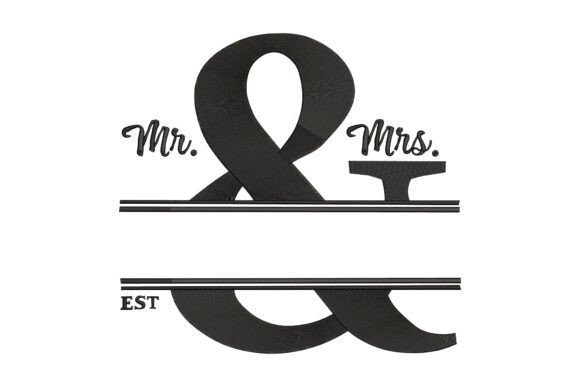
The immediate visual appeal of Mr. and Mrs is undeniable. It strikes a balance between traditional romance and modern readability, which is crucial when you are selling finished products to brides who want timeless aesthetics without looking dated. However, from a technical standpoint, what caught my eye was the stitch pathing. In many decorative scripts, jump stitches can be excessive, requiring significant post-production trimming. This design appears to have been digitized with production efficiency in mind.
The layout feels balanced. The ampersand or connector element serves as a strong visual anchor, preventing the "Mr." and "Mrs." from drifting apart during the stitching process. For a handmade product, this structural integrity translates to perceived value. When a customer runs their hand over an embroidered patch or a cushion cover, they shouldn't feel bulky knots or loose threads. The elegance promised in the description seems to be backed up by sensible digitizing choices that respect both the aesthetic and the physical limitations of thread and fabric.
Real-World Application: Stitching a Custom Tote Bag
To truly evaluate this design, I moved beyond the screen and set up a real-life scenario: creating a premium canvas tote bag intended as a bridal party gift. Tote bags are a staple for any craft business or small shop product line because they offer a large, flat surface area that showcases detail well. However, canvas has a distinct fabric texture that can swallow fine details if the stitch density isn't adjusted correctly.
I hooped a medium-weight cotton canvas with a cut-away stabilizer to ensure stability. As the machine ran through the Mr. and Mrs design, I observed the satin stitch columns. They were wide enough to cover the canvas weave completely without tunneling, yet not so dense that they caused puckering. This is a critical distinction for commercial embroidery. If the design is too dense, it creates a bulletproof patch effect that ruins the drape of the garment or bag. If it is too sparse, the background shows through, making the personalized gift look cheap.
The result was a clean, professional finish that required minimal cleanup. For an Etsy seller or apparel decorator, time is money. A design that stitches out cleanly on textured fabrics like canvas or linen reduces labor costs and increases profit margins. This specific test confirmed that Mr. and Mrs is robust enough for utility items, not just delicate display pieces.
Navigating Fabric Variables and Hoop Constraints
While the tote bag test was successful, versatility is key for digital product sellers and makers. Not every project uses stable canvas. I evaluated how this design would perform across different substrates commonly used in holiday embroidery and baby embroidery.
- Stretchy Fabrics: For sweatshirt embroidery or t-shirts, the design's fill stitch areas (if applicable) and satin borders require careful stabilization. On knits, I recommend using a fusible mesh stabilizer to prevent the letters from distorting when the wearer moves. The design holds up well, but only if the hooping tension is correct.
- Delicate Linens: Table linens and tea towels are classic applications for this Wedding Monogram style. Here, the concern is show-through. Because the design is detailed, using a sheer organza backing or a water-soluble topping can help maintain clarity without adding bulk that interferes with the table setting's function.
- Small Hoop Sizes: Makers often want to resize designs for tags or cuffs. Be cautious here. If you reduce Mr. and Mrs below 60% of its original size, verify that the satin stitch columns do not merge. Tiny lettering can become illegible mud if resized indiscriminately. Always check the minimum recommended dimensions in your embroidery file metadata.
For curved surfaces like caps, this design may present challenges depending on the height of the lettering. Caps require designs specifically digitized for cylindrical hoops to avoid registration issues. While Mr. and Mrs is perfect for flat hoop embroidery, I would advise testing on a cap blank before committing to a bulk order for boutique branding.
Commercial Viability and Customer Perception
For creative entrepreneurs and small business owners, a design is an asset. Does Mr. and Mrs justify its place in your library? From a marketability perspective, yes. The script style is universally appealing for weddings, anniversaries, and romantic holiday gifts. It photographs beautifully for printable mockups and digital product previews, which is essential for driving sales online.
Customer trust is built on consistency. When you use a high-quality machine embroidery design, your brand consistency improves. Buyers recognize quality. A jagged, poorly registered monogram screams "amateur," while the smooth transitions and clear definition in this design signal professionalism. Whether you are selling the finished product or offering custom apparel services, this design supports a higher price point because the output looks intentional and refined.
Essential Designer Notes for Success
Before you stitch this out for a client or list it in your shop, please adhere to these practical guidelines derived from my testing:
- Test on Scrap Fabric First: Never assume settings transfer perfectly between machines. Run a test stitch-out on a scrap piece of the exact fabric you intend to use for the final project. Check for registration errors or tension issues.
- Verify Thread Color Contrast: Elegant scripts rely on visibility. Test the design in black and white mockups to ensure the contrast ratio is sufficient. White thread on ivory fabric might look subtle in person but disappear in photos. Adjust thread colors to ensure the personalized gift pops visually.
- Check Licensing Terms: Before selling finished items or incorporating this into design assets for resale, confirm the specific license included with your embroidery file. Commercial embroidery rights vary by digitizer, and protecting your business means respecting intellectual property.
- Stabilizer Selection is Non-Negotiable: Do not skimp on stabilizer. The difference between a mediocre and a masterpiece stitch-out often comes down to using the right backing. For Mr. and Mrs, match the stabilizer weight to your fabric texture to preserve the design's elegance.
- Inspect Small Details: After stitching, examine the corners and connecting points. If there are any rough spots, note them for future runs. Sometimes a slight adjustment in pull compensation within your software can perfect the output for specific heavy fabrics.
Final Verdict for Makers and Sellers
Mr. and Mrs earns its place as a reliable, versatile asset for the serious embroiderer. It bridges the gap between ornate beauty and production-friendly functionality. Whether you are preparing a custom embroidered tote bag for a bride, stocking up on holiday embroidery inventory, or refining your boutique branding, this design delivers consistent, sellable results. By respecting the technical requirements of fabric and stabilization, you can transform this digital file into tangible, high-value products that delight customers and elevate your craft business reputation.